Resources
If you are looking at this page, you might be interested in other resources that can support your recovery. Therapy is a powerful way to engage with the difficulties you have faced, but these additional tools can complement your work in therapy - or be helpful before or after.
Books
Couch Fiction is a graphic novel which in a fun way explains what happens in therapy from the perspective of a therapist.

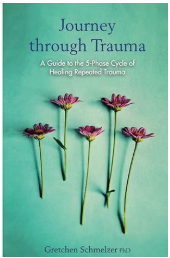
Journey through trauma explains what you can expect when healing from repeated trauma. It is like a road map to trauma therapy.
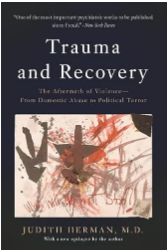
Trauma and recovery is a classic book about trauma and how to recover from it. It is written for therapists but it is clear and honest in a way that supports anyone who has a trauma history.
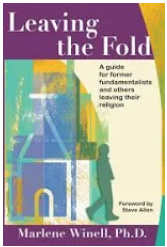
Leaving the fold is written by a woman who was raised in a missionary family and is now a therapist. It gives language to many of the difficult-to-describe experiences people raised in fundamentalist environments lived with.
Educated is a courageous autobiography by Tara Westover who was raised by a mentally ill religious fantatical parent. For those people who have experienced the intersection of mentally ill parenting, religious fundamentalism and poverty this is well worth reading.

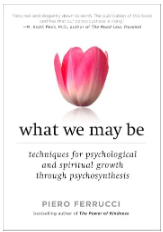
What we may be, while the language feels a little dated, is a good introduction to Psychosynthesis and transpersonal psychology, including ideas about subpersonalities that can be explored in therapy.
Other Forms of Support
Connection with Animals & Nature
You might have noticed the photo of me with my dog. Pets can be a source of calm, comfort, and healing, and this is a personal nod to the healing I experienced from having a dog. Spending time with pets, walking in parks, or being in peaceful natural environments can be restorative. You don’t need to own a pet; just being in peaceful, non-human settings can support recovery.
Support Groups
Some 12-step recovery groups focus on emotional and relationship challenges, including trauma. They are donation-based, often therapeutic, and encourage connection with people who have shared experiences. While some are spiritual programs, there are many non-faith participants, and you do not need religious belief to participate or benefit.
Two that may be interesting to explore are:
Adult Children of Dysfunction Families
www.adultchildrenofalcoholics.co.uk
Co-Dependents Anonymous
www.codauk.org